Rain, wind and snow: weather as a game mechanic
Weather can turn a pleasant walk into a real challenge. Here is how outdoor games use climate and seasons, and how to plan around them.
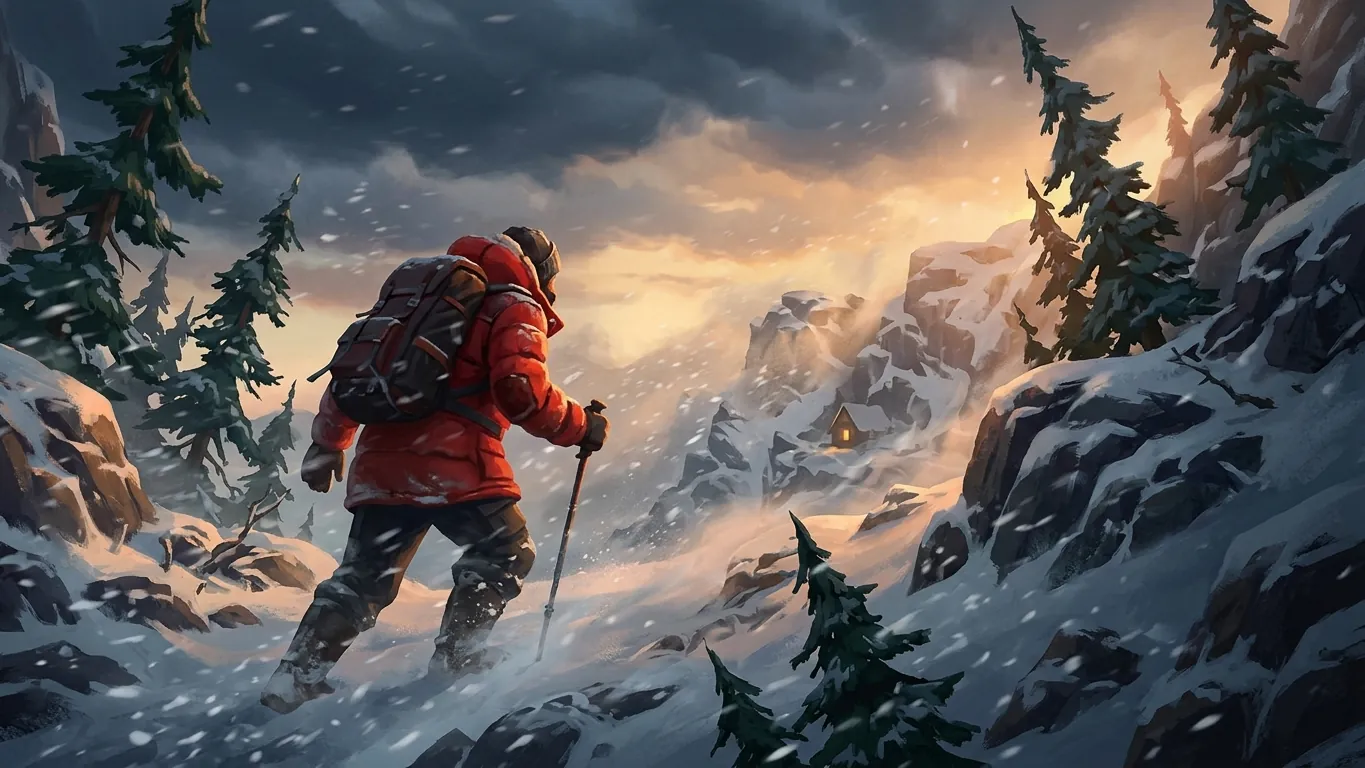
More than just scenery
In some games, weather is purely visual. Rain makes the world look moody, and snow makes it look peaceful. In many outdoor games, however, weather is a full gameplay system. It affects temperature, visibility, movement speed and even the condition of your gear.
Understanding how a game treats weather helps you plan better. Watch how your character reacts the first time it rains or the wind picks up. That early observation tells you a lot about how seriously you need to prepare.
Rain and wet conditions
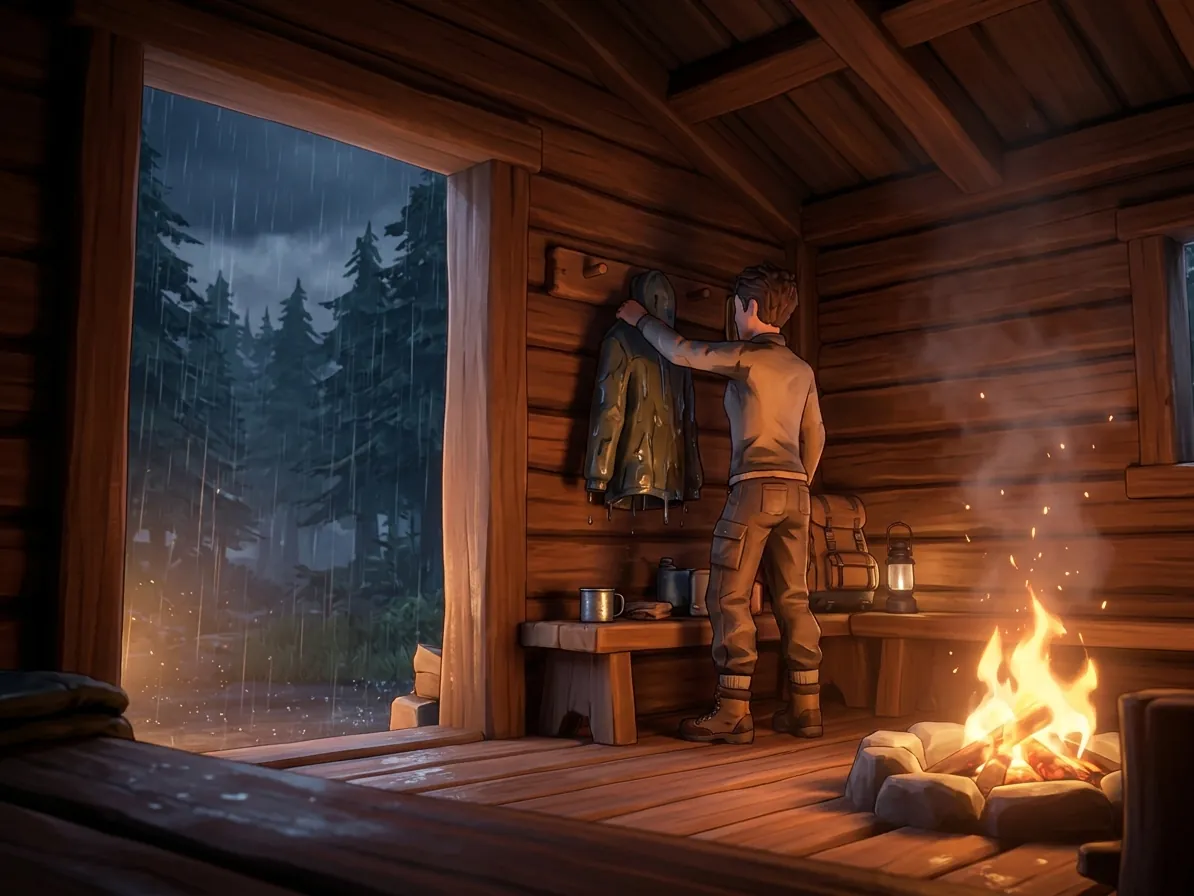
Rain often makes clothing wet, which can lower your character's warmth. Some games track wetness separately for different pieces of clothing, so a waterproof outer layer becomes very valuable. Wet ground may also be slippery, and rivers can rise after heavy rainfall.
If rain is coming, consider shortening your route or heading to shelter early. When you reach camp, drying clothes by the fire is a good habit in games that simulate it.
Wind, cold and snow
Wind is easy to underestimate. In many survival games, it lowers the perceived temperature and can make an otherwise mild day dangerous. Open ridges and frozen lakes tend to be especially exposed.
Snow adds more challenges. Deep snow slows movement and drains stamina, while blizzards reduce visibility to almost nothing. If a blizzard hits, it is usually smarter to find shelter and wait it out rather than push on blindly. Layered clothing, a reliable fire source and enough food are your best tools for cold-weather trips.
Heat, sun and dry seasons
Not every outdoor game is cold. Desert or summer settings may introduce heat as a challenge. In these games, water becomes the most important resource, and traveling during cooler parts of the day can make a big difference.
Dry seasons can also affect resources. Streams might shrink, plants may be scarcer and fires could spread more easily. Paying attention to these changes helps you avoid running low on supplies in the middle of a trek.
Seasons and long-term planning
Some games include full seasonal cycles. Spring might bring melting snow and swollen rivers, summer offers long days, autumn brings harvests and shorter evenings, and winter tests everything you have prepared.
If your game has seasons, think ahead. Gather and store food before the cold months, repair your shelter before storms arrive and plan major expeditions for the season that suits them best. Learning to read the sky and the calendar turns weather from an unpredictable enemy into a rhythm you can work with, and that sense of harmony with the game world is one of the genre's quiet rewards.
Related articles
 Cozy camping or hardcore survival: which trail is yours?
An opinion piece on cozy camping games and hardcore survival titles: what each style offers, who it suits and why both deserve a place on your shelf.
Read more
 Keep it working: crafting and repairing gear in the wild
A guide to crafting and repairing gear in survival and camping games: durability, materials, repair kits and keeping equipment ready for long trips.
Read more
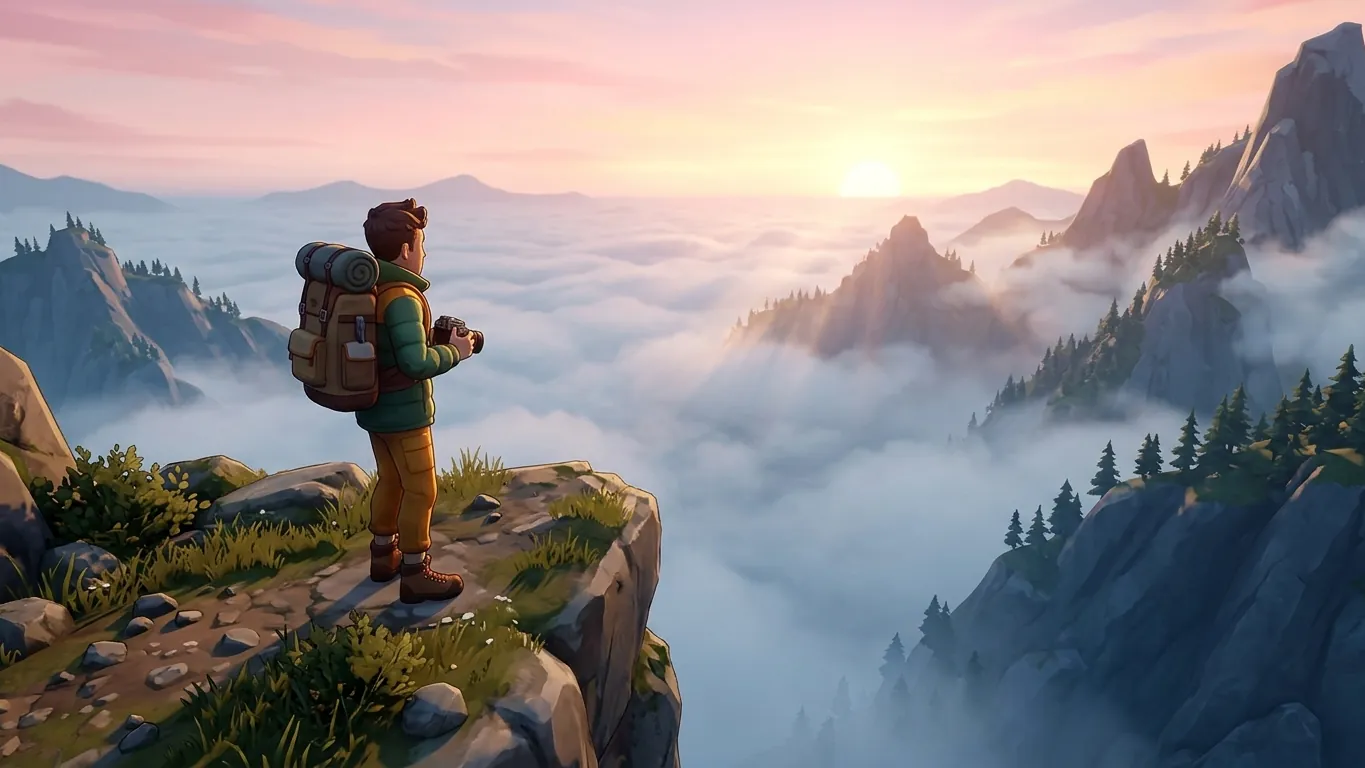 Capturing the view: tips for virtual trail photography
Tips for capturing beautiful screenshots in hiking and camping games: composition, lighting, weather and patience on the virtual trail.
Read more