What makes a good hiking game?
Hiking games turn the simple act of walking into a rewarding challenge. Here is a look at the core elements that make virtual trails feel alive.
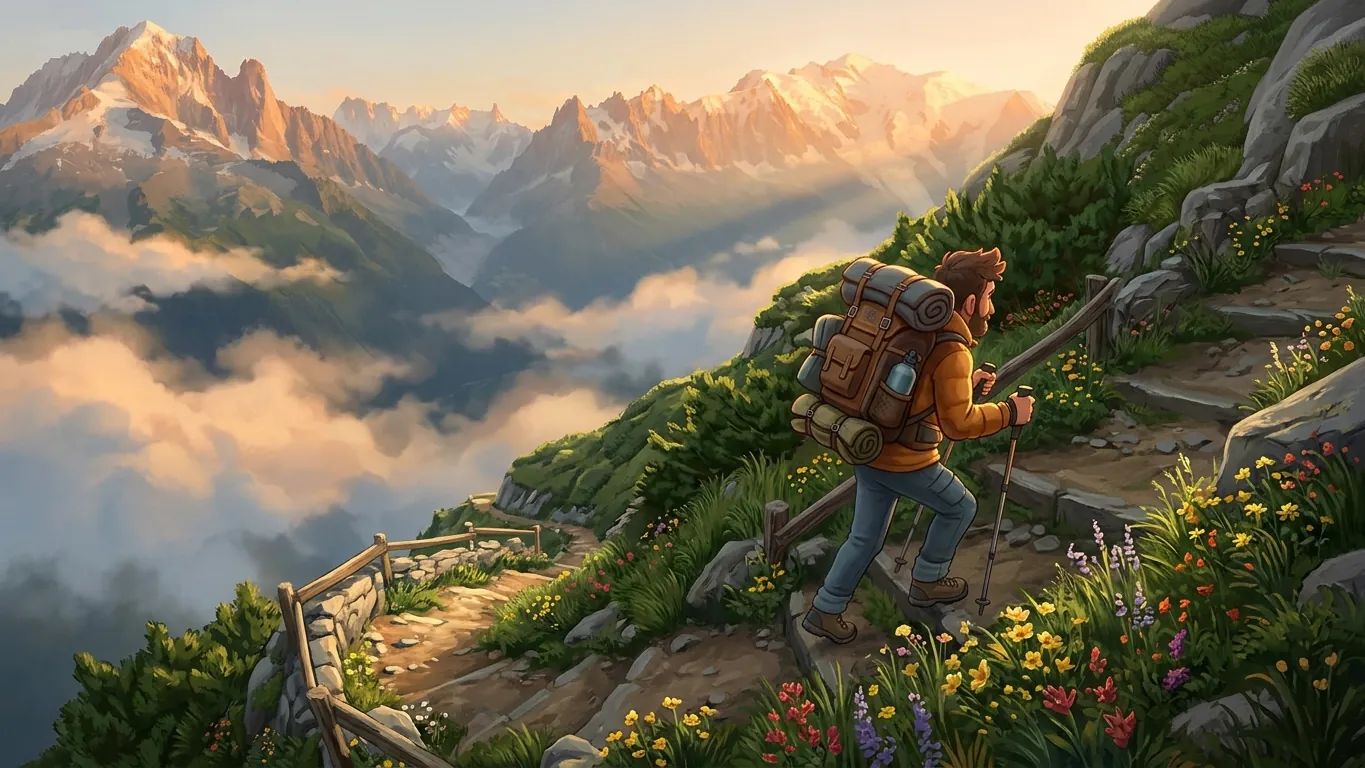
Walking as the main event
In many games, movement is just the way you get from one objective to the next. In a hiking game, movement is the point. The trail itself is the content, and every slope, stream and boulder is part of the experience.
That shift changes how you play. Instead of sprinting past the scenery, you start paying attention to it. You notice where the forest thins, where the path gets rocky and where a ridge might give you a better view of the route ahead. If you are new to the genre, the first tip is simple: slow down and let the landscape tell you where to go.
Stamina, terrain and footing
Most hiking games use some kind of stamina or energy system. Climbing steep hills, carrying heavy loads or moving through deep snow drains it faster, while flat trails and regular rest let it recover.
Terrain often matters too. Loose scree might make your character slip, wet rocks can be treacherous and mud may slow you down. Some games model footing in detail, asking you to place each step carefully on steep sections. Others keep it light, simply adjusting your speed. Either way, learning how different surfaces affect your character is one of the most useful skills you can build early on.
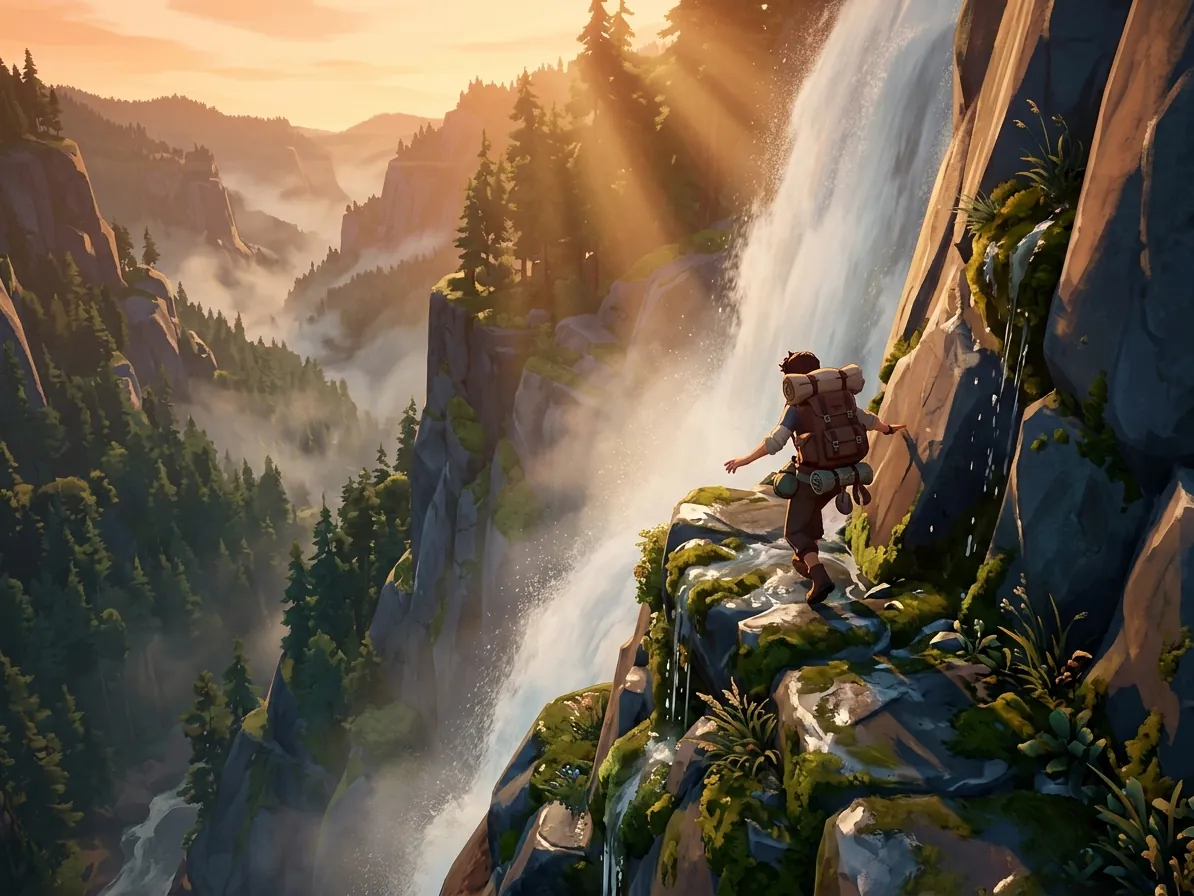
Pacing and the joy of the slow reveal
Good hiking games understand pacing. They hide a lake behind a hill so you only see it as you crest the top. They place a quiet clearing after a tough climb so you have a natural place to rest. These moments feel earned because you walked every step to reach them.
When you play, try to notice how the game guides you without signs or arrows. Light, color and the shape of the land often point toward interesting spots. A bright patch of sky between trees or a column of smoke in the distance is often an invitation.
Exploration without pressure
Many hiking games give you freedom to wander. There may be a goal, such as reaching a summit or a distant cabin, but how you get there is up to you. That freedom can feel unusual at first if you are used to tightly guided adventures.
A helpful mindset is to treat each session as a small outing. Decide on a modest goal, such as reaching the next lookout or finding a good spot for camp, and enjoy whatever you discover along the way. You will cover more ground over time, and you will remember the journey better.
Finding the right hiking game for you
Hiking games range from peaceful walking experiences with no fail state to demanding expeditions where cold, hunger and exhaustion can end your trip. Neither is better; they simply offer different moods.
If you want to relax after a long day, look for games that emphasize scenery, gentle music and freedom. If you enjoy planning and tension, look for titles with stamina, weather and gear systems that make every decision count. Many players enjoy both, switching depending on their mood. Whatever you choose, the core pleasure stays the same: the quiet satisfaction of putting one foot in front of the other and seeing where the trail leads.
Related articles
 Packing smart: managing weight in survival and hiking games
Practical tips for managing inventory weight in hiking and survival games: what to carry, what to leave behind and how to plan for longer trips.
Read more
 Choosing the perfect campsite in outdoor games
Learn how to pick safe, comfortable campsites in camping and survival games, from shelter and water access to fire safety and wildlife.
Read more
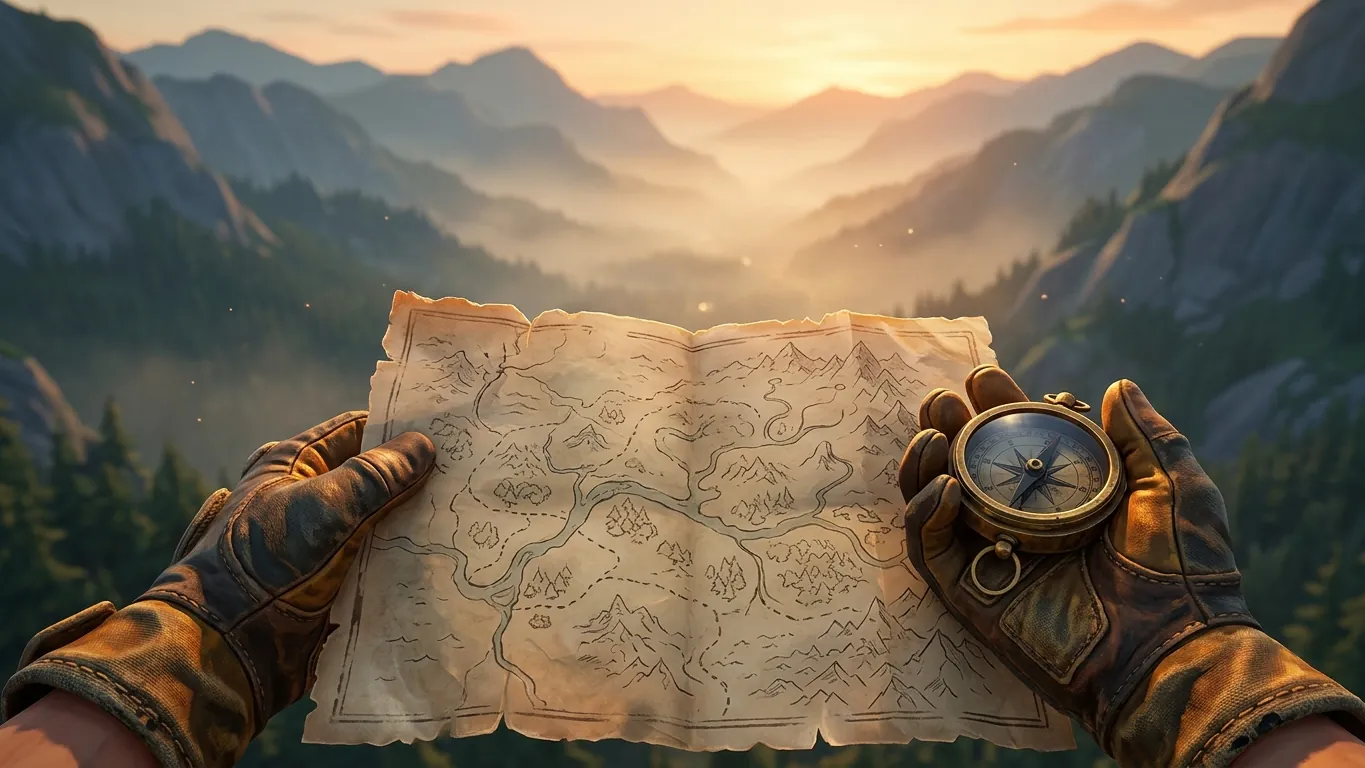 Finding your way: navigation in exploration games
How to navigate exploration and hiking games without waypoints: reading maps, using landmarks, compasses and the sun to find your way.
Read more