Packing smart: managing weight in survival and hiking games
A heavy pack can slow you down long before you reach the summit. These tips help you decide what earns a place in your virtual backpack.
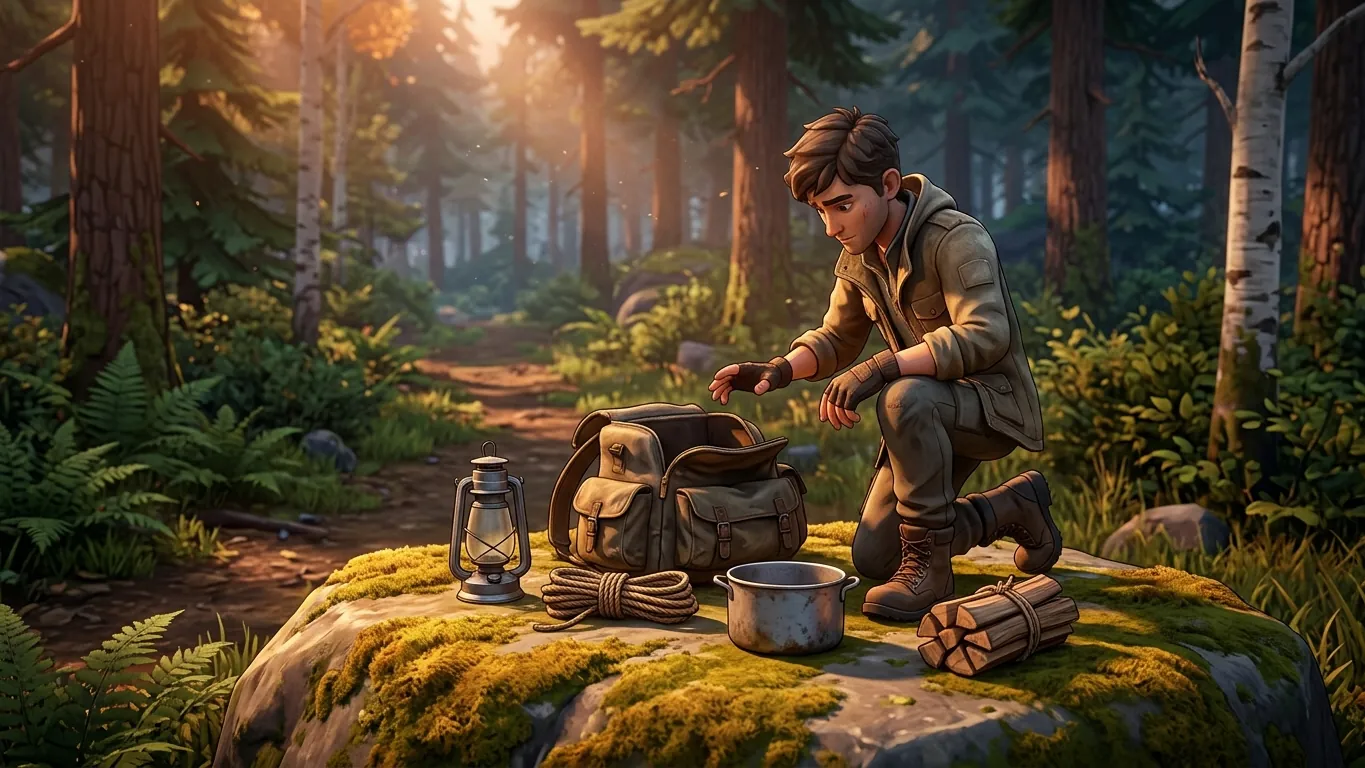
Why weight systems exist
Weight limits are one of the most common mechanics in outdoor games, and also one of the most frustrating for new players. It can feel unfair when your character suddenly slows to a crawl because you picked up one more piece of firewood.
But weight systems exist for a good reason. They force you to make choices. Without them, you could carry every item you find, and planning would lose its meaning. Once you start treating your pack as a puzzle rather than a punishment, the mechanic becomes much more enjoyable.
Know your essentials
Before every trip, think about the few items you truly need. In most hiking and survival games, the essentials fall into a handful of groups: something to keep you warm, something to keep you fed and hydrated, something to help you navigate, a way to make light or fire, and a basic tool for repairs or emergencies.
Everything else is optional. Extra food, spare clothing and crafting materials are useful, but each one adds weight. Start with the essentials, check how much capacity remains and then decide what extras make sense for the specific trip you are planning.
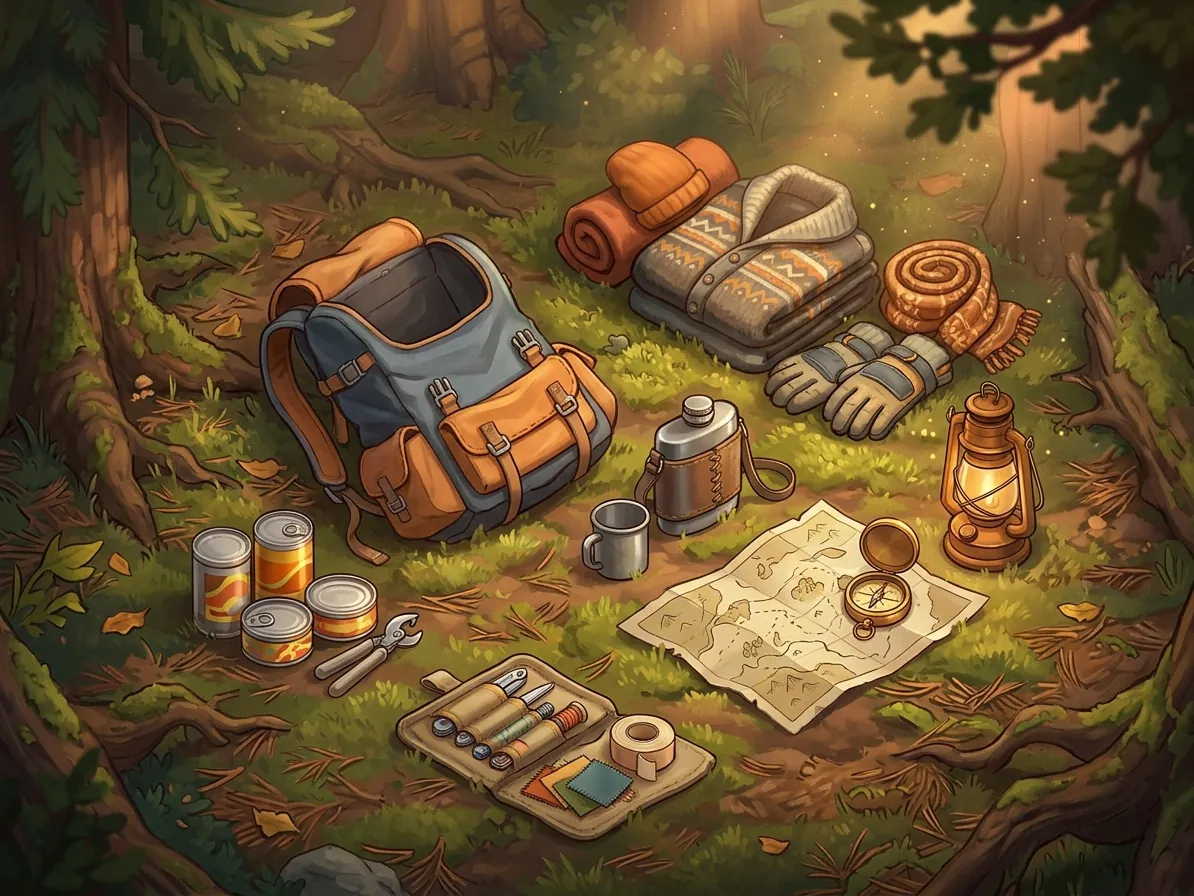
A simple packing routine before each trip
Use this routine to build good habits and avoid overloading your character.
- 01
Define the trip
Decide whether you are doing a short day hike, an overnight trip or a long expedition.
- 02
Pack essentials first
Add warmth, food, water, navigation and light before anything else.
- 03
Check remaining capacity
Look at your weight indicator and leave a little room for items you find on the way.
- 04
Add trip-specific extras
Bring climbing gear for cliffs, extra layers for snow or fishing tools for lakes.
- 05
Stash the rest at base
Store valuable but heavy items in a safe container so they are waiting when you return.
Leave room for discovery
One of the most common mistakes is filling the pack to the limit before leaving camp. Then you find a rare material or a useful tool halfway up the mountain and have no room to carry it.
A good rule of thumb is to leave some free capacity on every trip. This buffer gives you flexibility to pick up interesting finds, carry firewood for the night or bring back resources for crafting. If the game lets you drop items safely, you can also create small supply caches along routes you use often.
Upgrading your carrying capacity
Many games offer ways to carry more over time. You might craft a larger backpack, unlock a skill that reduces fatigue or find a sled for snowy terrain. These upgrades are worth pursuing because they open up longer routes.
Still, more capacity does not mean you should carry more. Even with a bigger pack, traveling light usually means faster movement, less stamina drain and fewer risks on difficult terrain. Think of upgrades as extra flexibility rather than an invitation to haul everything. A thoughtful pack is almost always better than a full one.
Related articles
 Choosing the perfect campsite in outdoor games
Learn how to pick safe, comfortable campsites in camping and survival games, from shelter and water access to fire safety and wildlife.
Read more
 Finding your way: navigation in exploration games
How to navigate exploration and hiking games without waypoints: reading maps, using landmarks, compasses and the sun to find your way.
Read more
 Rain, wind and snow: weather as a game mechanic
An explainer on how rain, wind, snow, heat and seasons work as game mechanics in outdoor games, with tips for planning around changing conditions.
Read more